| Historic Charity Hospital 1736 - 2005 |
In 1735, Jean Louis, a French seaman who built boats in New Orleans, bequeathed his
holdings to the founding and maintenance of Charity, a hospital for the indigent sick of
the colony of New Orleans. Charity Hospital opened its doors on March 31, 1736. Until
the levee failures of 2005 closed it, it was the second oldest continuously open public
hospital in the United States, the oldest being Bellevue in New York, which opened only
a month earlier.
For 270 years, Charity cared for both the indigent and poor and for the vast majority of
accident, crime and fire victims in the city. It had an excellent reputation as a teaching
institution and Charity's emergency room boasted one of the best level one trauma units
in the country.
holdings to the founding and maintenance of Charity, a hospital for the indigent sick of
the colony of New Orleans. Charity Hospital opened its doors on March 31, 1736. Until
the levee failures of 2005 closed it, it was the second oldest continuously open public
hospital in the United States, the oldest being Bellevue in New York, which opened only
a month earlier.
For 270 years, Charity cared for both the indigent and poor and for the vast majority of
accident, crime and fire victims in the city. It had an excellent reputation as a teaching
institution and Charity's emergency room boasted one of the best level one trauma units
in the country.
| The link to this page is: http://old-new-orleans.com/NO_Charity_Hospital.html See more photos of Charity Hospital on my New Orleans Hospitals page. Back to Old New Orleans Whispers - Home |
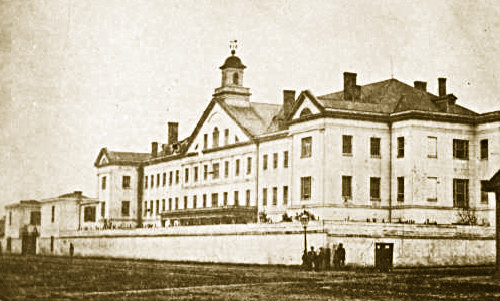
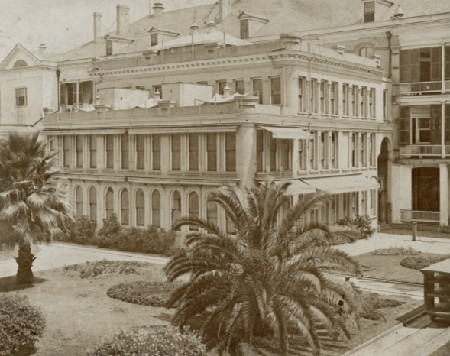
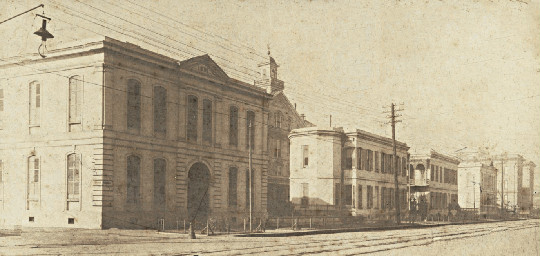
| The first two Charity Hospitals were destroyed by fire. The third building, above, was constructed in 1832 and demolished to make way for the new complex in 1936. |
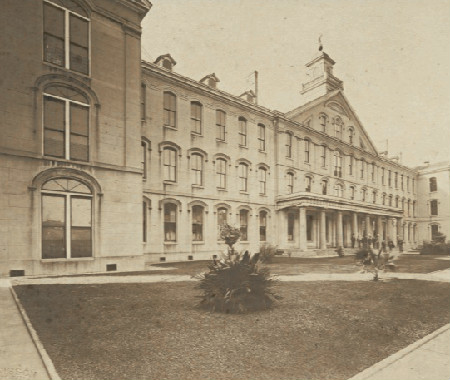
| Another view of the third Charity, date unknown. |
| Charity Hospital and associated buildings, 1900. |
| All of the photos in the section below were taken between 1900-1920. |
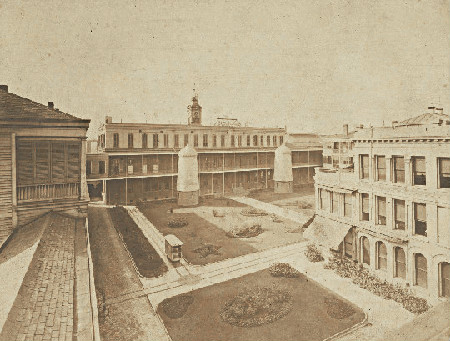
| Above & below, view from back of building. |
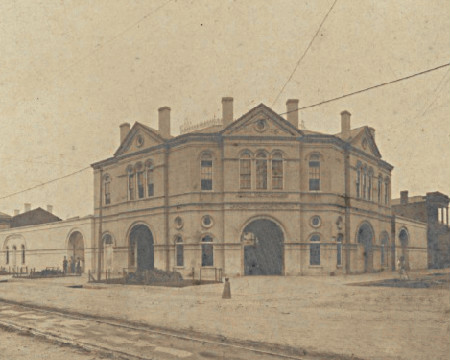
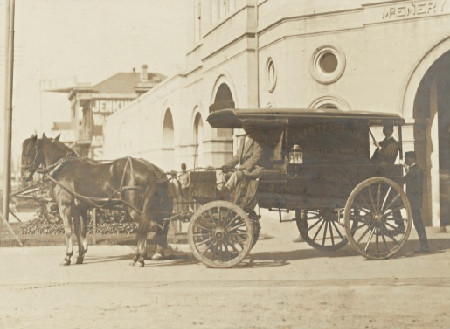
| Above, Charity Hospital ambulance; below, ambulance building. |
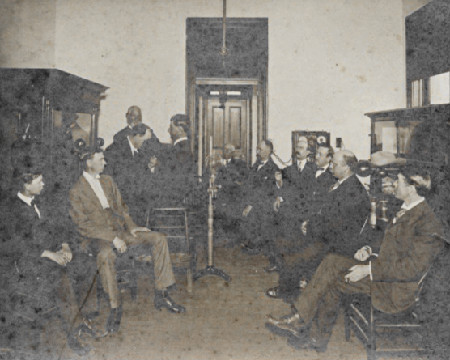
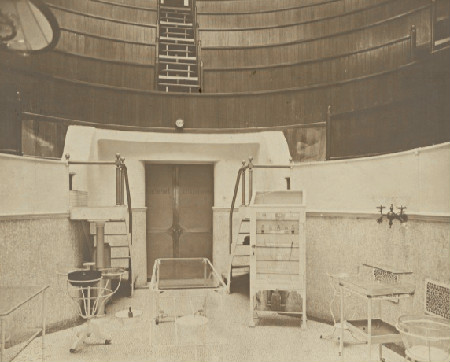
| Amphitheatre |
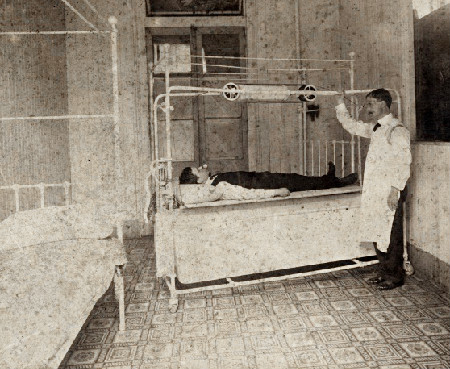
| X-ray, stethoscope room |
| Orthopedic ward |
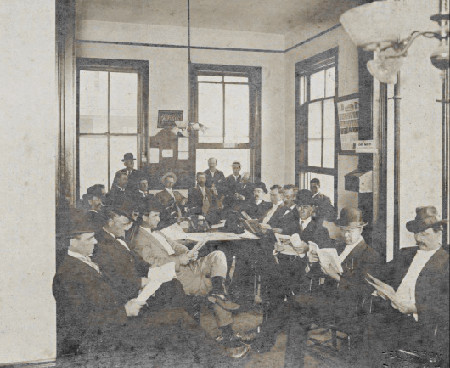
| Polyclinic waiting room |

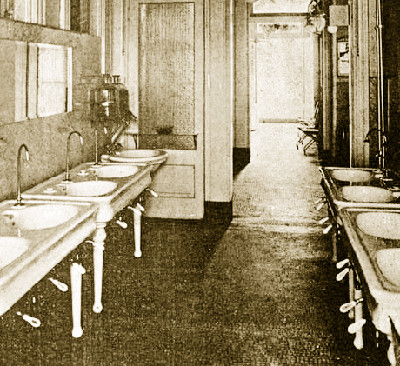
| Lavatory where doctors scrubbed for surgery |
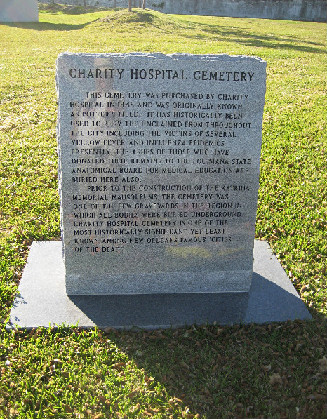
| The Charity Hospital Cemetery is, also, the home of the Katrina Memorial. |
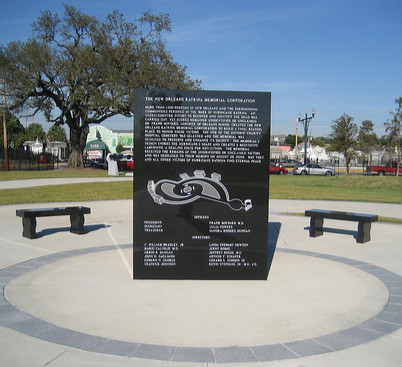
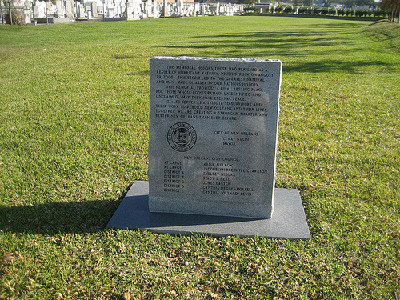
| Monument reads: "This memorial honors those who perished as a result of Hurricane Katrina, August 29, 2005. This storm led to both the greatest natural and greatest man-made disaster in our nation's history. This memorial provides a final resting place for those whose bodies remain unidentified and unclaimed. May they have eternal peace. It also serves as a tribute to survivors and their work to rebuild New Orleans and their lives." This photo is courtesy of Infrogmation and Flickr Creative Commons. |
| Monument reads: "More than 1,100 persons in New Orleans and the surrounding communities perished in the wake of Hurricane Katrina. An unprecedented effort to recover and identify the dead was carried out. Dr. Frank Minyard, Coroner of Orleans Parish, created the New Orleans Katrina Memorial to build a final resting place to honor those victims who remain unidentified or unclaimed. .... The memorial received the remains of the unidentified and unclaimed victims and was dedicated to their memory on August 29, 2008. May they and other victims of Hurricane Katrina find eternal peace." This photo is courtesy of Infrogmation and Flickr Creative Commons. |
| Charity Hospital Cemetery Monument reads: "This cemetery was purchased by Charity Hospital in 1848 and was originally known as Potter's Field. It has historically been used to bury the unclaimed from throughout the city. including the victims of several Yellow Fever and influenza epidemics. The ashes of those who have donated their remains to the Louisiana State Anatomical Board for medical education are buried here, also. Charity Hospital Cemetery is one of the most historically significant, yet least known, among New Orleans' famous Cities of the Dead." This photo is courtesy of Infrogmation and Flickr Creative Commons. |