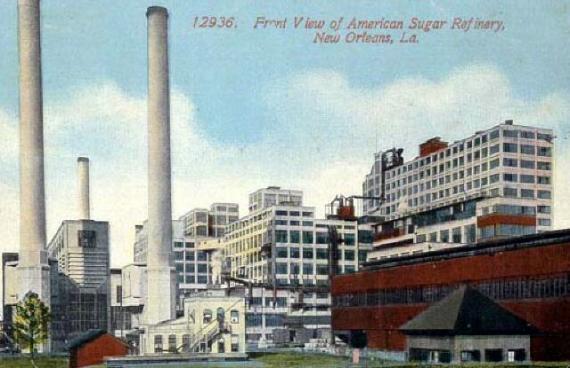
| American Sugar Refinery is owner of Domino brand sugar, ca. 1915. It is the largest cane sugar refiner in the United States. The Chalmette Refinery produces approximately 800,000 tons of refined sugar a year. Construction began on this refinery in 1905 and was completed in 1909. The Chalmette Refinery is situated in St. Bernard Parish, just outside of New Orleans. |
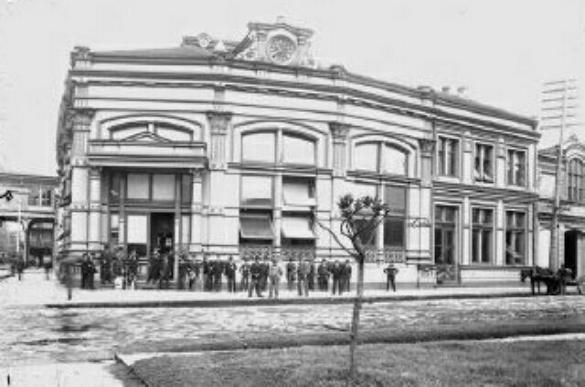
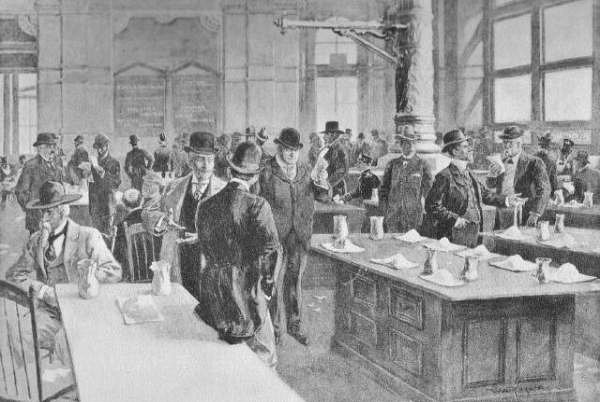
| New Orleans Sugar Exchange, late 1800's |
| Raising Cane on Baronne Street |
| Louisiana Sugar Exchange, early 1900's; this building was constructed in 1882. |
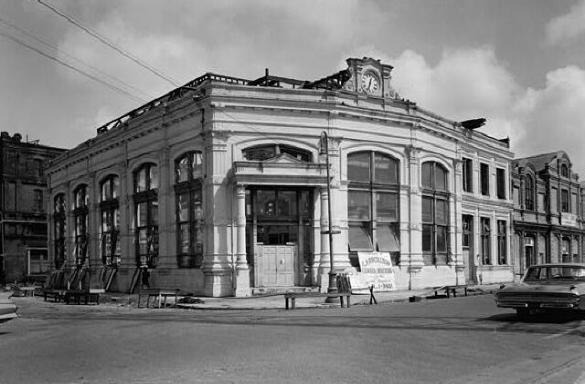
| Louisiana Sugar Exchange, Bienville Street, 1963, just before demolition |
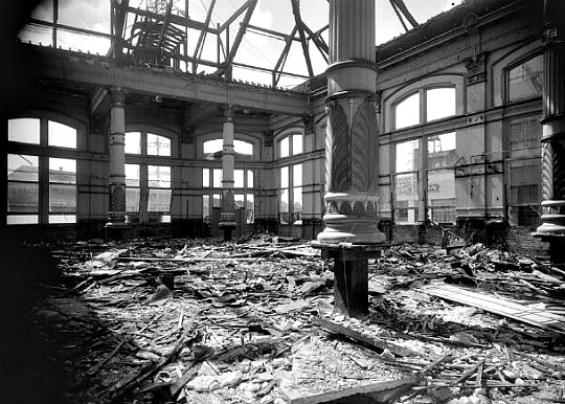
| Sugar Exchange during demolition, 1963 |
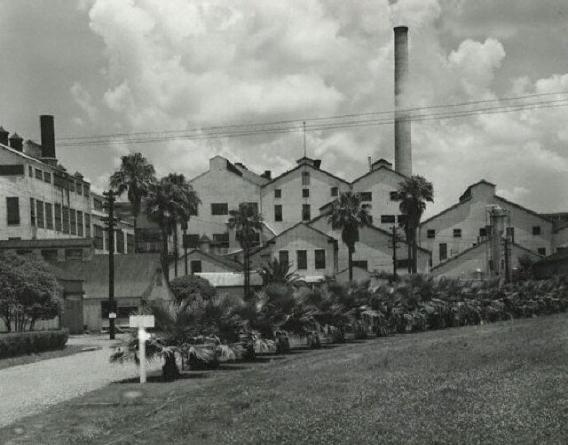
| Above & below: Godchaux Sugar Refinery, upriver from New Orleans in St. John the Baptist Parish. |
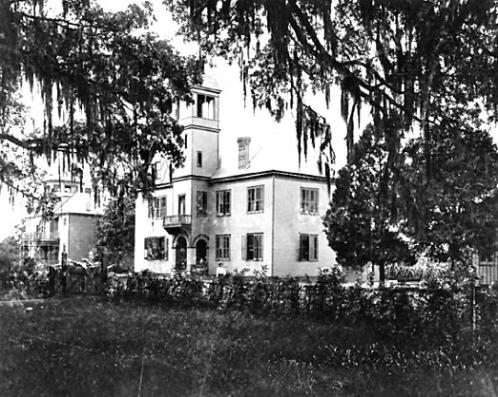
| The link to this page is: http://old-new-orleans.com/NO_Sugar.html LeBeau Plantation on the grounds of the Domino Sugar Plant Back to Old New Orleans Whispers-Home |
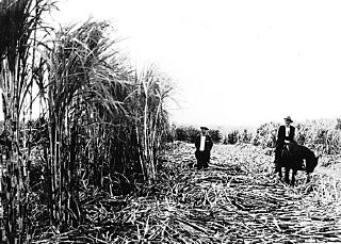
| Harvesting sugar cane, 1902, Vermillion Parish |
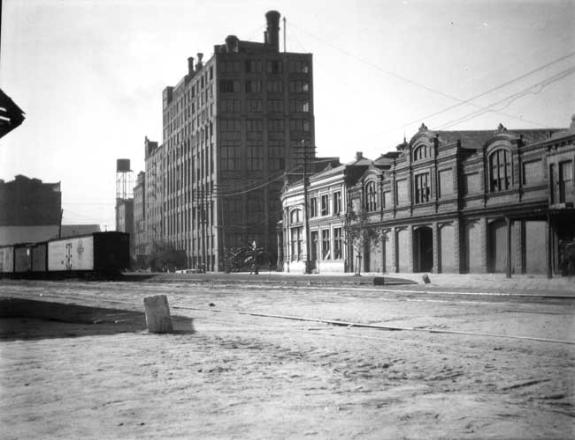
| The American Sugar Refinery building on old Levee Street in 1920, after the company had moved to its new location. |

Sugar cane imported from St. Dominque was first planted in Louisiana by Pierre Le Moyne d'Iberville
in the late 1600's. However, it wasn't grown successfully until the mid-1700's, when Jesuit missionaries
raised it in what would become downtown New Orleans, on the site where the Jesuit Church now
stands on Baronne Street. In the mid-1790's, Etienne de Bore was one of the first people who
successfully granulated sugar in the United States, on the plantation of his wife's family, where the
city's Audubon Park is located today. From that time forward, Louisiana and sugar have enjoyed a
mutually rewarding relationship. At one time, Louisiana accounted for 95% of the sugar produced in
the U.S. The sugar industry in the state is still strong today.
in the late 1600's. However, it wasn't grown successfully until the mid-1700's, when Jesuit missionaries
raised it in what would become downtown New Orleans, on the site where the Jesuit Church now
stands on Baronne Street. In the mid-1790's, Etienne de Bore was one of the first people who
successfully granulated sugar in the United States, on the plantation of his wife's family, where the
city's Audubon Park is located today. From that time forward, Louisiana and sugar have enjoyed a
mutually rewarding relationship. At one time, Louisiana accounted for 95% of the sugar produced in
the U.S. The sugar industry in the state is still strong today.
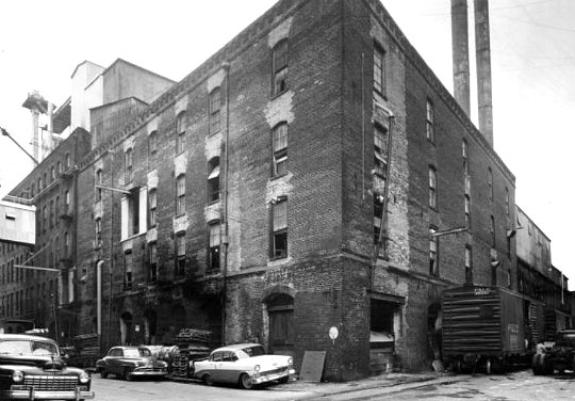
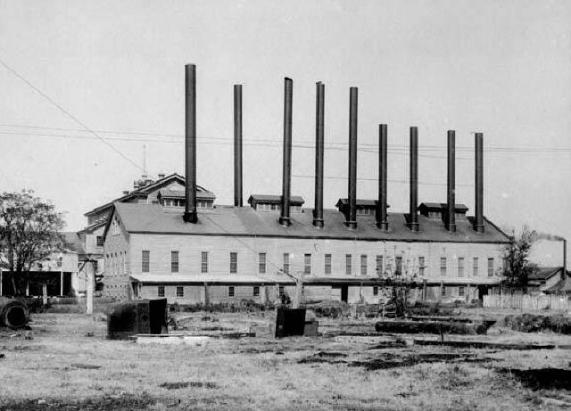
| Henderson Sugar Refinery Commerce Street, 1959 |
| ~ ~ ~ ~ ~ ~ ~ ~ ~ |
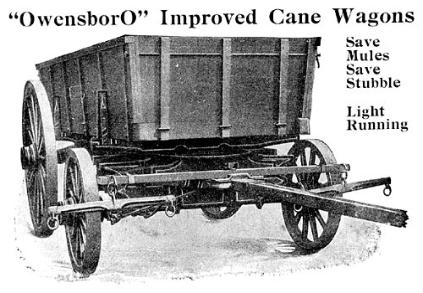
| Cane wagon ad, 1910 |
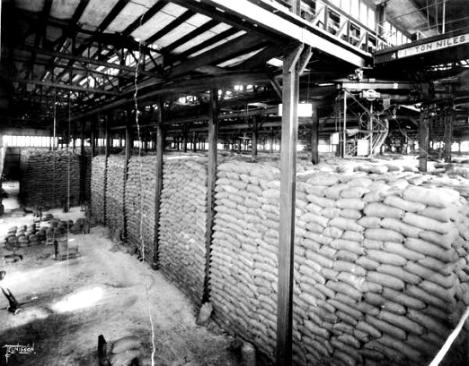
| Warehouse, American Sugar Refinery, 1922 |
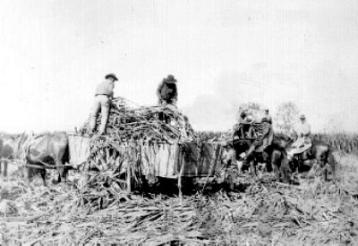
| Loading cane, 1890 |
| Laboratory, Sugar Experiment Station, 1890's; situated where Audubon Park is today. |
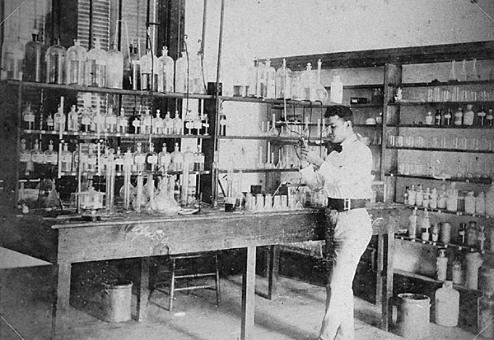
| Laboratory, Sugar Experiment Station, 1894 |